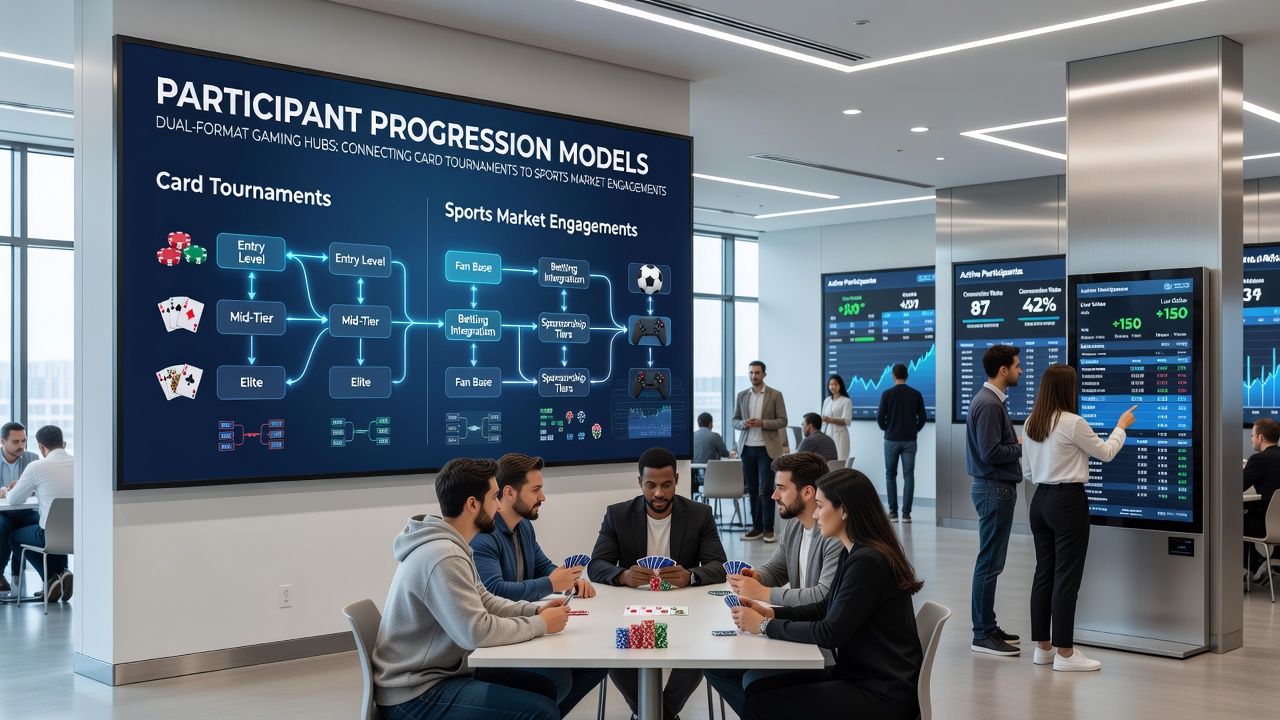
Participant Progression Models in Dual-Format Gaming Hubs Connecting Card Tournaments to Sports Market Engagements
Participant progression models in dual-format gaming hubs operate through structured pathways that convert achievements in card tournaments into opportunities within sports market engagements, and these systems rely on integrated tracking mechanisms that monitor player activity across both verticals. Data from industry reports indicate that platforms employing such models record higher retention rates because users accumulate layered rewards that bridge table game results directly to wagering credits on athletic events.
Core Components of Progression Frameworks
These frameworks typically begin with entry-level deposits that unlock initial access to poker events while simultaneously seeding accounts for sports betting features, and researchers at the International Gaming Institute have documented how points earned from tournament finishes convert into enhanced odds or bonus funds for upcoming matches. Observers note that the conversion ratios often follow tiered schedules where bronze-level participants receive basic multipliers, whereas platinum users access premium lines on major league contests.
Integration occurs through shared loyalty ledgers that update in real time, allowing a strong showing in an Omaha event to trigger immediate eligibility for football prop bets or tennis accumulators. Figures from the Nevada Gaming Control Board reveal steady growth in cross-vertical activity throughout 2025, with similar patterns expected to continue into October 2026 as more operators refine their API connections between card rooms and sportsbooks.
Pathways from Card Play to Market Bets
Progression pathways emphasize milestone triggers such as reaching certain chip counts or finishing in the money, which automatically populate sports account dashboards with tailored promotions. One study from the University of Sydney Centre for Gambling Research found that players who complete at least three poker sessions per month show elevated engagement with live sports markets when those sessions feed into unified reward pools. The mechanics rely on algorithmic matching that aligns tournament variance with betting volatility preferences, creating seamless handoffs without requiring separate logins or transfers.
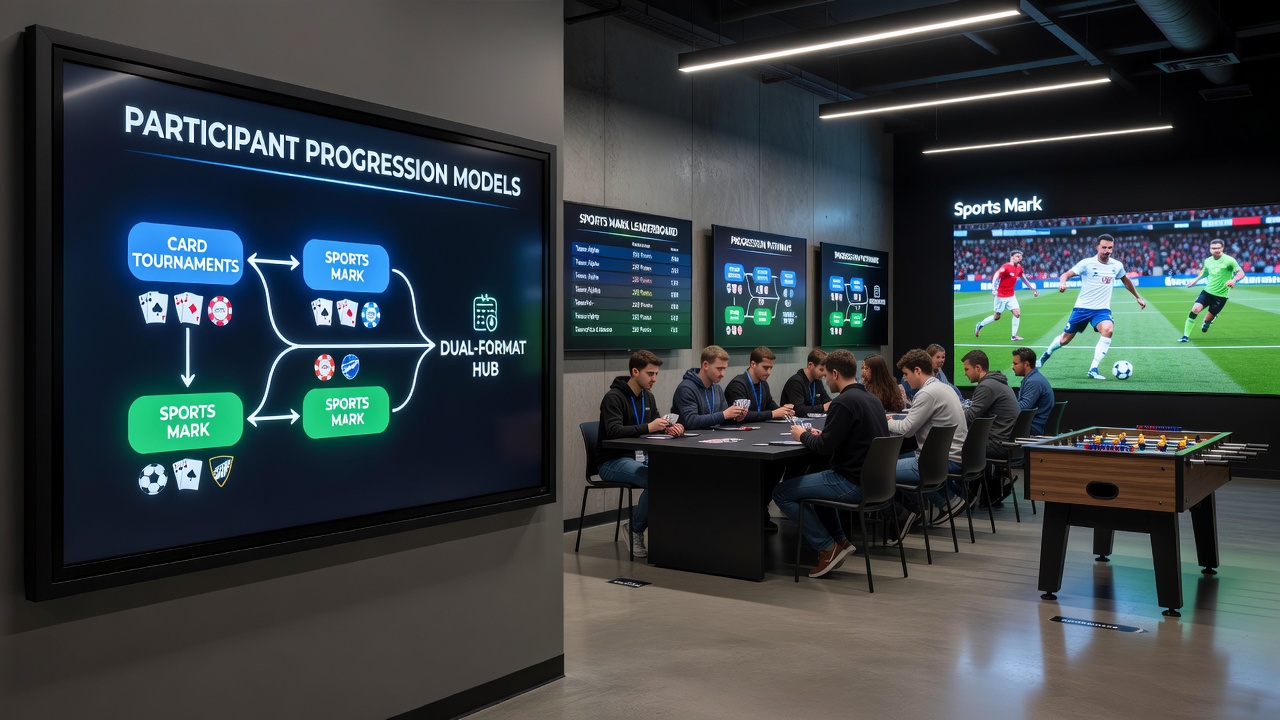
Platforms further differentiate models by incorporating time-bound challenges where weekly poker leaderboards unlock early access to sports event futures, and this approach maintains momentum across both formats. Those who have examined transaction logs across multiple sites confirm that deposit bonuses frequently carry rollover conditions that count activity from either vertical toward completion, reducing friction for participants moving between card tables and betting slips.
Data Patterns and Integration Mechanics
Analytics dashboards within these hubs display progression velocity metrics that help users visualize how card tournament outcomes accelerate sports market privileges, and evidence from aggregated operator reports shows peak activity spikes during major sporting calendars that coincide with large poker series. Conversion tools embedded in the software translate raw tournament earnings into credit lines that adjust dynamically based on recent performance trends, while compliance layers ensure regulatory thresholds remain satisfied across jurisdictions.
Additional layers include achievement badges that carry over as enhanced cashback percentages on sports losses, creating continuous incentive loops that encourage sustained participation. Data pipelines feeding these systems aggregate results from both card and athletic verticals to generate personalized progression forecasts, allowing operators to adjust reward schedules in response to observed player behavior clusters.
Examples of Operational Models
Several major hubs deploy hybrid loyalty currencies that function identically whether earned at the felt or through sports wager outcomes, and this uniformity simplifies user navigation while supporting cross-promotional campaigns. In one documented implementation, finishing positions in daily poker tournaments directly scale the maximum stake available on basketball moneyline bets the following day, demonstrating tight coupling between the two environments. External audits of such systems, including those referenced in reports from the European Gaming and Betting Association, highlight the importance of transparent conversion tables to maintain user trust and operational clarity.
Conclusion
Participant progression models continue to evolve as dual-format hubs refine connections between card tournaments and sports market engagements, with data indicating sustained integration through shared tracking and reward mechanisms. These structures support fluid movement across verticals by aligning achievements in one area with advantages in the other, and ongoing developments through late 2026 point toward further standardization of conversion protocols across platforms.